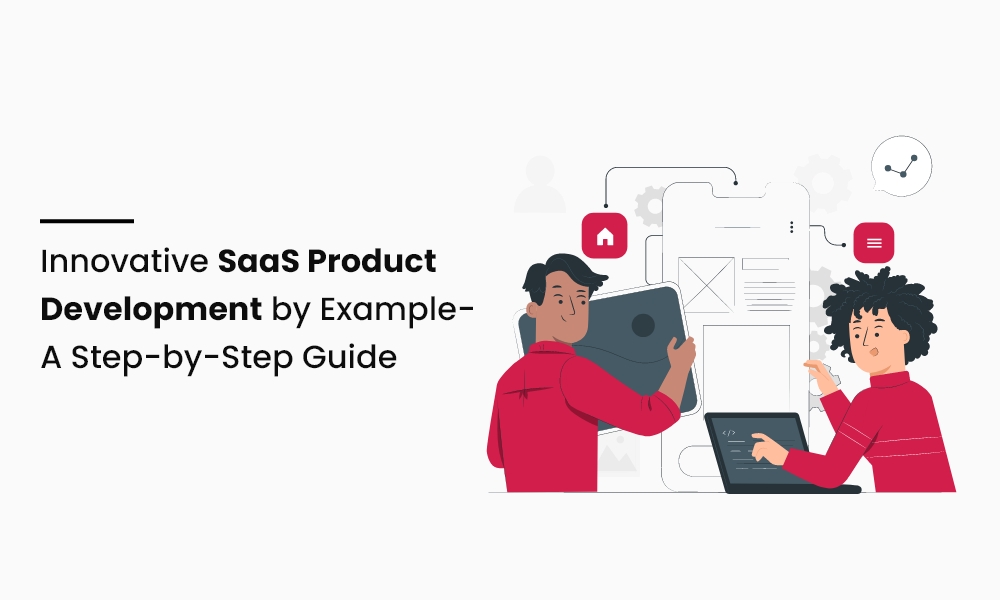
SaaS was once limited to large corporates and IT companies. Today, SaaS products drive everything from productivity to communication, making them the most-used services worldwide. Gartner estimates that the value of the SaaS industry has already breached $145B, and at a CAGR of 15%, it will reach the $171B mark by 2022. SaaS product development has seen unprecedented growth in this time, leading to organizations choosing SaaS services for up to 70% of their needs.
Why are SaaS products so popular?
Harvey Nash considers SaaS as the most critical technology for business success—and for a good reason. As the COVID-19 pandemic shuttered offices and made work from home, the new normal, SaaS software and services were the lifeline of every company—helping them keep their business running at all times.
Advantages and disadvantages of SaaS solutions
There are numerous advantages (pros) that SaaS software offer. These include:
- Reliability: SaaS software is always available, giving your business the advantage of high uptime using a network of servers that provide connectivity around the globe.
- Scalability: With SaaS, all your business has to do is purchase an additional subscription, and the vendor takes care of the rest.
- Cost-efficiency: SaaS software is incredibly cost-efficient, and all you need is a subscription and a browser to access them. SaaS software may also require a thick client for offline use, such as MS Office 365, Adobe Suite and others.
- Secure: SaaS applications place particular importance on security. The underlying architecture remains inherently secure because these applications are only accessed through a browser-driven instance or a client.
- Mobile: Mobility is the biggest advantage of SaaS software. As companies increasingly move to a mobile workforce that can operate from anywhere, using a SaaS application becomes their only option.
- Updates: With SaaS, you always get the latest and greatest software version, eliminating your company’s licensing and upgrade woes forever.
- Reduced IT overheads: SaaS software eliminates the need for installations and updates to be performed manually, and the SaaS vendor takes care of all of this.
- Lower upfront costs: You only have to pay for a subscription, so you reduce your upfront costs manifold.
However, all is not well in the SaaS world. SaaS software also has some disadvantages (cons), which include:
- Control: You cannot customize or retain older versions of SaaS software for any reason. You are always dependent on the vendor for the version that you can use, which can impact legacy software usage.
- Integration: SaaS software is difficult to integrate with custom offline or on-premise systems, which makes integration with a decoupled approach cumbersome.
- Connectivity: SaaS software is inaccessible without an internet connection. If your network is sluggish, you can just wait for it to stabilize. Additionally, SaaS providers can also face connectivity issues, causing downtime.
- Security: Sensitive customer data can sometimes be affected by data breaches.
Why should you build a SaaS solution?
SaaS software solves a magnitude of problems faced by the IT industry today. In addition to the advantages listed above, innovative SaaS products such as Salesforce, Grammarly, GSuite, Adobe Suite, Slack, Atlassian and many others have transformed the way businesses work today. Building an innovative SaaS solution is the perfect way to help your customers transform how they do business. Additionally, Associação Brasileira de Startups stated that SaaS was the way to go for over 40% of startups. Nasscom reported that India’s SaaS industry grew 75% between 2018 and 2020. All these numbers add to the SaaS use case and make it an exceedingly lucrative proposition for entrepreneurs. SaaS software is helping businesses function and grow in times when they would need to shut shop.
For example, the on-demand food industry would not grow at the rate it did during the pandemic. The education industry couldn’t function without SaaS solutions, and healthcare would get a major setback. There was no facet of the industry that SaaS software did not impact positively during the pandemic and beyond.
How to create a SaaS product?
It is essential to begin your SaaS entrepreneurial journey right. You can only do this by planning your approach well. Here is what you can do:
Step 1 – Do thorough market research
Analyzing your market will help you to understand if you should build your product, what to build, and who to build it for. Ask yourself questions that include:
- Who are my customers?
- Who is this product for?
- What are their underserved needs?
- Who am I competing with
- Why is their product popular?
- What is their business model?
This will help you to analyze your customer’s needs and create a vision that will help you throughout the lifecycle of your product. Additionally, good market research also allows you to pitch your app better to those who need it the most.
Step 2 – Create a solid business plan
You need a solid business plan to ensure success. Here’s what you need to include in your SaaS product business plan:
- What is your USP? Why is your product unique and why should customers choose it over the competition?
- How will your product solve the underserved needs of your customers?
- How do you plan to reach your audience? How will you market your solution?
- How will your product make money? Do you have solid monetization plans in place?
- What is your long-term vision for the product?
- How will you fund your product? Include infrastructure, development, marketing and other expenses
Step 3 – Define the must-haves for your product
Every product must have a list of must-have and nice-to-have features. For a SaaS solution, there is a list of essentials that your product must have:
- Self-service: Self-service speeds up service delivery and reduces manual intervention, making the experience consistent and scalable.
- Multi-tenancy: This will drive self-efficiency by sharing resources between customers.
- Monitoring and audit: consistent audits and log analysis will help you ensure your solution’s security and integrity.
Step 4 – Choosing the right tech stack
The tech stack that you choose will determine the cost of your solution. Additionally, your customers will also evaluate the tech stack to see if it meets their needs. Here is a list of some standard tech stack options that you can choose from:
Front-end
Your customers will use the front-end of your app to interact with your solution—also known as the user interface. Popular front-end technologies include:
- HTML, CSS
- Angular, React, Vue.js
Backend
Backend technologies drive the server-side bit of your app. This will drive the core functionality of your product. Popular backend technologies include:
- Node.js
- PHP (Laravel)
- Ruby on Rails
- Django
Database
Databases facilitate data storage and retrieval by data processing applications. You can choose between relational databases and non-relational databases. Popular examples for SaaS products include:
- Relational Databases
- MySQL
- PostgreSQL
- Non-relational databases:
- MongoDB
- DynamoDB
- Elasticsearch
Step 5 – Choosing Cloud Hosting
Every SaaS product needs hosting. You must choose a cloud hosting provider that can offer you all the services you need with the flexibility to grow according to your need. Popular cloud hosting providers include:
- AWS or Amazon Web Services
- Google Cloud
- Microsoft Azure
- Heroku
Step 6 – Pricing your product
Pricing your product right is vital to get the traction you need and provide your users with the flexibility to choose a starting point for your offering. You can vary your offerings as per need. These are some popular pricing strategies used by SaaS companies:
- Free trial
A free trial is essential to get users onboard and for them to understand your product well.
- Individual
Many SaaS users are individuals who use these apps for personal projects or individual apps.
- Small Businesses and startups
Small businesses typically use many SaaS-based apps as their needs are high and staff size is small.
- Enterprise
Many enterprise organizations use over 150 SaaS products every day. They are the most significant users of SaaS applications for email, CRM, HRM, finance, payroll, communication and more!
Step 7 – Finding developers to create your app
Creating a SaaS product requires a communicative, technically sound team that can help you drive product growth in the long term. Every SaaS development team must include the following members:
- Project Managers
Project managers ensure that your project does not have communication issues and works according to set timelines and budget.
- QA Engineers
QA engineers test your product to ensure that it runs as designed and does not have bugs or issues that customers might face while using it. Additionally, QA engineers also partake in the requirements analysis phase to ensure that no aspect of product development and quality is left out.
- UI Designers
UI designers will design a user interface for your product, and they understand your target user base and design interfaces that suit their needs.
- UX Designers
Even the best-engineered products may have a clunky user experience. UX designers ensure that the flow of the app is intuitive, natural, and smooth and does not involve jumping through hoops to perform tasks.
- Software Developers
Software developers code your product and ensure that it has all the features you included in the requirement specifications.
- DevOps Engineers
DevOps engineers ensure that your product is deployed well and functions the way it should. They also ensure that all the software elements (APIs, libraries, and SDKs) come together as one cohesive unit.
How much does it cost to create a SaaS application?
The cost of developing a SaaS application can vary significantly according to the features you need and the geographical location of your team. Developers in the USA charge between $150-200 per hour. Comparatively, developers in some Asian countries may charge as low as $40 per hour, dramatically impacting the core cost of developing your app.
Your app’s cost will depend on its functionality, the underlying architecture, the tech stack used, and your development team’s location.
Average SaaS MVP development times range from 1000-1500 hours. A simple SaaS MVP with basic features will cost between $30,000-$50,000 to develop. Comparatively, building the same application in Europe or USA can cost between $100,000-$150,000.
How can Volumetree help you in developing a SaaS application?
Our teams have spent many years developing SaaS-based applications for enterprises and government organizations globally. Millions of people use our SaaS-based apps worldwide and have consistently appreciated their reliability and efficiency.
Our global reach across three continents and our access to a vast talent pool ensure that we offer you a price-quality ratio that few can match. At Volumetree, we believe in quality, reliability and a long-term vision for all our products.
We love innovators and augment their passion for creating a disruptive new platform with our technical capabilities. Got a great idea in mind? Set up a free 15-minute consultation with one of our SaaS product experts today!


 Global Operations


https://pinco.legal/# pinco casino
https://plinkocasi.com/# Plinko-game
Plinko online: Plinko app – Plinko app
Plinko Deutsch: plinko wahrscheinlichkeit – plinko
plinko casino: plinko nl – plinko
https://plinkocasi.com/# Plinko game
Plinko game for real money [url=https://plinkocasi.com/#]Plinko casino game[/url] Plinko game
pinco.legal: pinco.legal – pinco.legal
plinko france: avis plinko – plinko ball
https://plinkocasi.com/# Plinko game
https://plinkocasi.com/# Plinko games
Plinko online game: Plinko – Plinko app
pinco [url=https://pinco.legal/#]pinco slot[/url] pinco casino
https://plinkocasinonl.com/# plinko nl
plinko spelen: plinko casino – plinko
Plinko-game: Plinko app – Plinko online game
https://plinkocasinonl.com/# plinko casino nederland
Plinko games: Plinko app – Plinko
plinko: plinko nederland – plinko spelen
https://plinkocasinonl.com/# plinko nederland
plinko [url=https://plinkocasinonl.com/#]plinko[/url] plinko nederland
equilibrador
Sistemas de balanceo: fundamental para el rendimiento uniforme y efectivo de las máquinas.
En el entorno de la avances actual, donde la efectividad y la confiabilidad del dispositivo son de alta trascendencia, los sistemas de ajuste desempeñan un papel vital. Estos sistemas especializados están diseñados para calibrar y asegurar componentes móviles, ya sea en equipamiento productiva, vehículos de transporte o incluso en electrodomésticos domésticos.
Para los expertos en soporte de equipos y los técnicos, operar con sistemas de balanceo es importante para asegurar el rendimiento fluido y estable de cualquier dispositivo giratorio. Gracias a estas alternativas tecnológicas modernas, es posible disminuir notablemente las vibraciones, el zumbido y la tensión sobre los soportes, prolongando la tiempo de servicio de elementos importantes.
También relevante es el rol que tienen los equipos de calibración en la asistencia al consumidor. El asistencia experto y el soporte permanente aplicando estos sistemas permiten ofrecer asistencias de óptima excelencia, elevando la agrado de los compradores.
Para los propietarios de negocios, la contribución en equipos de ajuste y sensores puede ser clave para aumentar la rendimiento y rendimiento de sus equipos. Esto es principalmente trascendental para los empresarios que gestionan modestas y pequeñas organizaciones, donde cada detalle es relevante.
También, los dispositivos de balanceo tienen una extensa aplicación en el área de la protección y el supervisión de estándar. Facilitan detectar potenciales problemas, previniendo arreglos caras y averías a los equipos. Más aún, los información recopilados de estos equipos pueden emplearse para maximizar sistemas y potenciar la reconocimiento en motores de exploración.
Las campos de implementación de los sistemas de calibración abarcan diversas ramas, desde la fabricación de bicicletas hasta el supervisión del medio ambiente. No importa si se considera de extensas manufacturas de fábrica o reducidos establecimientos domésticos, los sistemas de balanceo son necesarios para asegurar un desempeño eficiente y sin presencia de interrupciones.
mexico drug stores pharmacies: mexican pharmacy – Legit online Mexican pharmacy
mexico drug stores pharmacies https://certpharm.com/# Cert Pharm
https://certpharm.com/# mexican border pharmacies shipping to usa
mexican pharmacy [url=https://certpharm.com/#]Best Mexican pharmacy online[/url] Legit online Mexican pharmacy
Legit online Mexican pharmacy: mexican pharmacy online – Best Mexican pharmacy online
Mexican Cert Pharm: Cert Pharm – Cert Pharm
mexican mail order pharmacies https://certpharm.com/# Legit online Mexican pharmacy
Legit online Mexican pharmacy: Legit online Mexican pharmacy – Mexican Cert Pharm
pharmacies in mexico that ship to usa https://certpharm.shop/# Mexican Cert Pharm
mexican pharmacy online [url=https://certpharm.com/#]Best Mexican pharmacy online[/url] mexican pharmacy online
Cert Pharm: Best Mexican pharmacy online – Legit online Mexican pharmacy
Diego Maradona y su famosa ‘Mano de Dios’ marcaron un hito en la historia del fútbol | La carrera de Diego Maradona inspiró a generaciones de futbolistas | El gol de Diego Maradona contra Inglaterra en 1986 es considerado el mejor de la historia | Diego Maradona y Lionel Messi siempre han sido comparados [url=https://diego-maradona.com.mx/]Diego Maradona historia[/url] .
https://certpharm.com/# buying prescription drugs in mexico
Mexican Cert Pharm: pharmacies in mexico that ship to usa – Legit online Mexican pharmacy
Mexican Cert Pharm: mexican mail order pharmacies – Mexican Cert Pharm
https://certpharm.com/# Best Mexican pharmacy online
Legit online Mexican pharmacy: Cert Pharm – Cert Pharm
https://certpharm.com/# Mexican Cert Pharm
medication from mexico pharmacy https://certpharm.com/# Best Mexican pharmacy online
mexican pharmacy [url=https://certpharm.com/#]mexican pharmacy[/url] Legit online Mexican pharmacy
mexican pharmacy online: mexican pharmacy – mexico drug stores pharmacies
https://certpharm.com/# Best Mexican pharmacy online
mexico drug stores pharmacies https://certpharm.com/# Legit online Mexican pharmacy
Cert Pharm: Best Mexican pharmacy online – mexican pharmacy online
https://certpharm.shop/# Best Mexican pharmacy online
mexican mail order pharmacies https://certpharm.shop/# Best Mexican pharmacy online
Mexican Cert Pharm: mexican drugstore online – Cert Pharm
Express Canada Pharm: canadian pharmacy online – Express Canada Pharm